
How to Buy a Used Horizontal Balancing Machine: 10 Checks Before You Invest
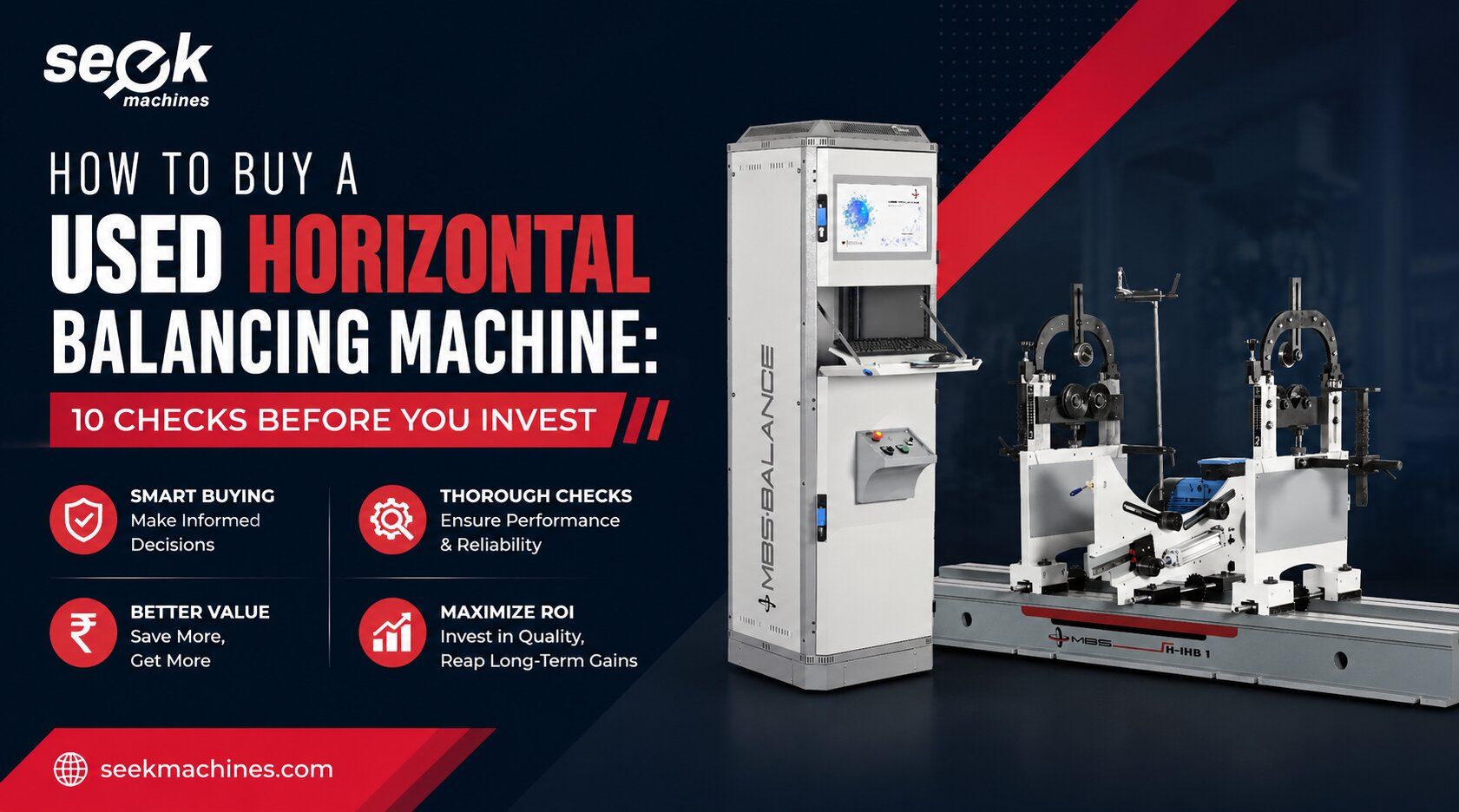
A used horizontal balancing machine is an economical purchase that will help your company conserve money while simultaneously allowing for increased capabilities of rotating machinery repair in-house. To buy a reliable used horizontal balancer, one needs to carefully examine mechanical parts, measurement sensors, drive motors, and calibration software. The following guide lists ten essential steps to check when making your purchase.
Key Takeaways
- A check on the mechanical base including the bed of the machine, the support pedestals, and the roller bearings will establish the stability and freedom from vibrations that might affect measurements of the machine.
- Testing the vibration sensors, the digital display screen, and the optical phase probes will confirm the precision of measuring the degree of unbalance.
- Running the test using a balanced rotor and test weights will determine the effectiveness of measuring before making any purchases.
- Checking the spare parts availability and technical support services will safeguard your business against future downtimes.
Definition of Used Horizontal Balancing Machine
A horizontal balancing machine is a testing device employed in industries for detecting and eliminating dynamic unbalance in rotating metal parts such as shafts, rotors and impellers of pumps. This machine holds the work piece horizontally between two pedestals through a drive motor to rotate it for measuring vibrations using electronic transducers. Purchasing this second-hand equipment enables workshops to conduct highly precise balancing jobs by spending less money as compared to purchasing new machines.
1. Working Mechanism of Horizontal Balancing Machine
This machine rotates a horizontal rotor between adjustable support bearings while transducers measure vibrations in terms of unbalanced centrifugal forces along two correction planes. Electronic devices convert the vibration measurements into precise angle and weight values.
2. Configurations of the Primary Bearings
The hard-bearing machines use sturdy pedestals that measure the loads directly at low speeds and do not need any calibration runs for each individual part. The soft-bearing machines use suspensions and measure real amplitude displacements at high speeds and need special calibration runs at setup.
3. Resale Value
A used machine can be bought by expanding machine shops to balance industrial rotors themselves without having to pay expensive prices for the new machine. The robust cast iron bed and mechanical frame may last longer than electronic components, thus old balancing machines can be a great choice for digitalization.
10 Key Things to Look For before Purchasing Used Balancing Machines
1. Machine Bed and Base Structure
It is very important to examine heavy duty cast iron machine beds for any signs of cracking, deep scoring or corrosion that would affect the rigidity of the bed. Warped bed means that proper placement of the pedestals cannot be achieved and mechanical vibration will be introduced which is detrimental to balance measurement. Precision dial indicators should be used to ensure that the machine bed is level, flat and true over its full operating length.
2. Pedestal Bearings and Roller Guides
Pedestal guides and rollers should be tested to ensure that they move smoothly and lock into position on machine beds. Worn bearing rollers, rough surfaces or loose locking mechanism introduce erratic readings from the sensors thus affecting the ability of tests to be repeated. All roller bearings should be manually rotated to ensure evenness and check if the machine fits the typical rotors used in the shop.
3. Drive System and Pulley Drive Belt Assembly
The drive system should be examined to determine whether it has an under drive belt drive system or an end drive universal shaft. The underslung drive system does not introduce additional unbalance while the belt drive may introduce speed variations due to worn belts and pulleys. The drive system should be started at various speeds to verify the ability to accelerate smoothly and hold speed at constant rate.
4. Vibration Sensors and Velocity Pickups
Precision of the balancing machine will rely on physical integrity of velocity pickups or piezoelectric force transducers. The sensor body should be inspected to ensure there is no damage, stripped mounting threads, cable or terminal problems that would affect intermittent reading dropouts. The left and right sensor channels should produce steady voltage output when rotating a properly balanced trial test piece.
5. Instrumentation and Digital Electronics
Check the electronic console, its display device, and internal circuit boards for normal functioning at startup. Older machines use old analog gauges or obsolete microprocessors which may not be easily repairable when burnt out components have been found. Check if the console produces balance data reports in a clean way or is able to accommodate new digital instrumentation in the system.
6. Maximum Weight and Rotor Capacity
Make sure that the maximum rated weight capacity, swing diameter, and bed length from the nameplate of the manufacturer correspond with your production needs. If the machine is too small it restricts the types of work you can handle. If the machine is too big then it becomes insensitive when working with lighter rotors. Make sure the pedestal magazine diameter range matches the shaft size of your rotors.
7. Phase Reference and Optical Sensors
Check the optical photocell, laser sensor, or the encoder that records the rotor shaft rotational speed and angle of unbalance. The failure of a phase sensor gives wrong unbalanced angle readings, causing operators to estimate the location of attaching correction weights. Clean the optical pickup lens and make sure that the reading of rotational speed remains constant during rotation of the workpiece.
8. Safety Guards and Protective Enclosures
Because of high-speed balancing, the machine requires a robust construction of the barrier guards, and the presence of emergency stop buttons. Check if there are safety hoods, electrical interlocks, and hold-down roller brackets installed on it to prevent parts from lifting up. Running a balancing machine without these guards means creating severe risks and violating industrial safety shop regulations strictly.
9. Historical Calibration and Accuracy Tests
Request the seller to provide the history of calibration tests and maintenance of the machine to prove that it receives professional maintenance regularly. Conduct a two-plane test run on the machine using a balanced test rotor and known weights to ensure consistent results. In case of inconsistencies in readings of the instrumentation of test weights at their exact angles, sensors should be repaired.
10. Spares Availability and Supplier Service
Inquire about availability of spare drive belts, support bearings, sensor assemblies, and internal electronics provided by the machine's original manufacturer. Procuring components for obsolete machines takes much time and costs money because it causes weeks of downtime in your workshop. Choosing a brand with good field experience guarantees prompt assistance during future mechanical repairs and calibration services.
Conclusion
A used horizontal balancing machine from reputable platforms like SEEK Machines will help you to add new functions and increase the quality of your workshop operations in a cost-effective way. You will be able to avoid unnecessary repairs of equipment after purchase and ensure reliable machine operations by examining its bed, drive mechanisms, measuring electronics, and calibration tests. Testing runs of rotor samples will secure your investment and ensure profitable work for many years to come.